
Employee Loyalty and Reliability: Why They Matter in HR
Employee loyalty and reliability directly affect how smoothly a team operates and how effectively a company can plan its workforce.
However, these qualities are not easy to assess based on a single survey or one isolated indicator. Employee behaviour, attendance, consistency, and previous work-related activity can give managers a clearer picture of how a person performs in day-to-day work.
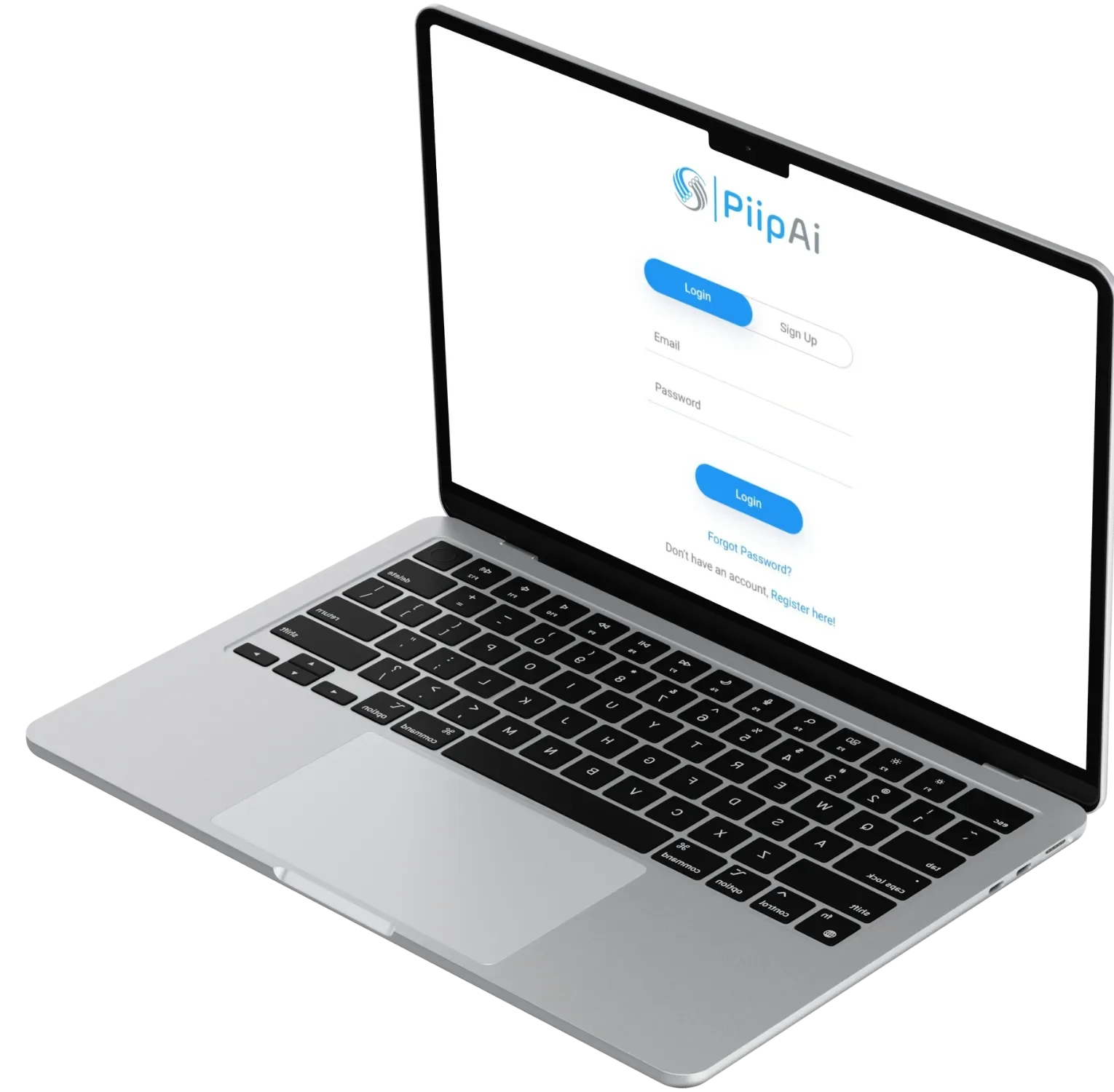
PiipAi helps structure employee-related information to support workforce planning and better-informed decisions.
🤝 Employee Loyalty
Loyalty generally refers to an employee’s willingness to continue working with an organisation and contribute to its goals.
However, loyalty is not only about how long someone has worked for a company. Participation in work processes, consistency, and keeping agreed commitments can also be important.
For this reason, employee loyalty and reliability are better viewed over time, based on recurring activities and behavioural patterns rather than conclusions drawn from a single event.
PiipAi can use workforce activity data to give companies a clearer overview of employees’ past performance patterns and participation in work processes.
🛡️ Employee Reliability
A reliable employee keeps agreed commitments, arrives at work on time, and completes assigned tasks consistently.
Factors that may be relevant when assessing reliability include:
- attendance;
- punctuality;
- completing agreed work shifts;
- consistent task completion;
- previous work-related activity.
Attendance and punctuality are important indicators when assessing reliability. Read more about how to reduce employee absence and lateness.
Employee reliability assessment helps companies make decisions based on a broader range of information and identify recurring patterns.
PiipAi helps bring this information together and structure it in one environment, giving managers a clearer overview of employees and candidates.
📊 An Assessment Should Not Be Based on a Single Indicator
A single rating or event does not provide a complete picture of an employee.
For example, one late arrival does not automatically mean that someone is unreliable. Likewise, a long period of employment does not by itself prove employee loyalty.
It is therefore more useful to assess information collected over a longer period and use the system primarily to support decisions rather than as the sole basis for them.
This approach can help reduce oversimplified assessments and provide a more complete view of an employee’s work-related behaviour.
When improving HR processes and managing employee information more effectively, it is also useful to consider the benefits of HR software.
✅ Conclusion
Employee loyalty and reliability are important factors in workforce planning and building a stable team.
These qualities cannot be fully expressed through a single number or rating, but consistently collected work-related information can help companies identify meaningful patterns.
PiipAi helps organise employee activity data and make it more useful for workforce management and decision-making.